After a Beiseker water heater stops working, distinguish a repairable control or component fault from a leaking storage vessel before authorizing replacement. Document symptoms and model information without opening gas or electrical equipment. Confirm the property is inside the Village, then use its published permit process and appropriately qualified trades for the work actually proposed.
- Loss of hot water does not by itself prove the storage vessel needs replacement.
- An itemized repair should identify the fault, parts and verification after the work.
- A replacement needs an access and connection assessment even when capacity stays the same.
- Beiseker is a separate village and directs trade permit applications through its office.
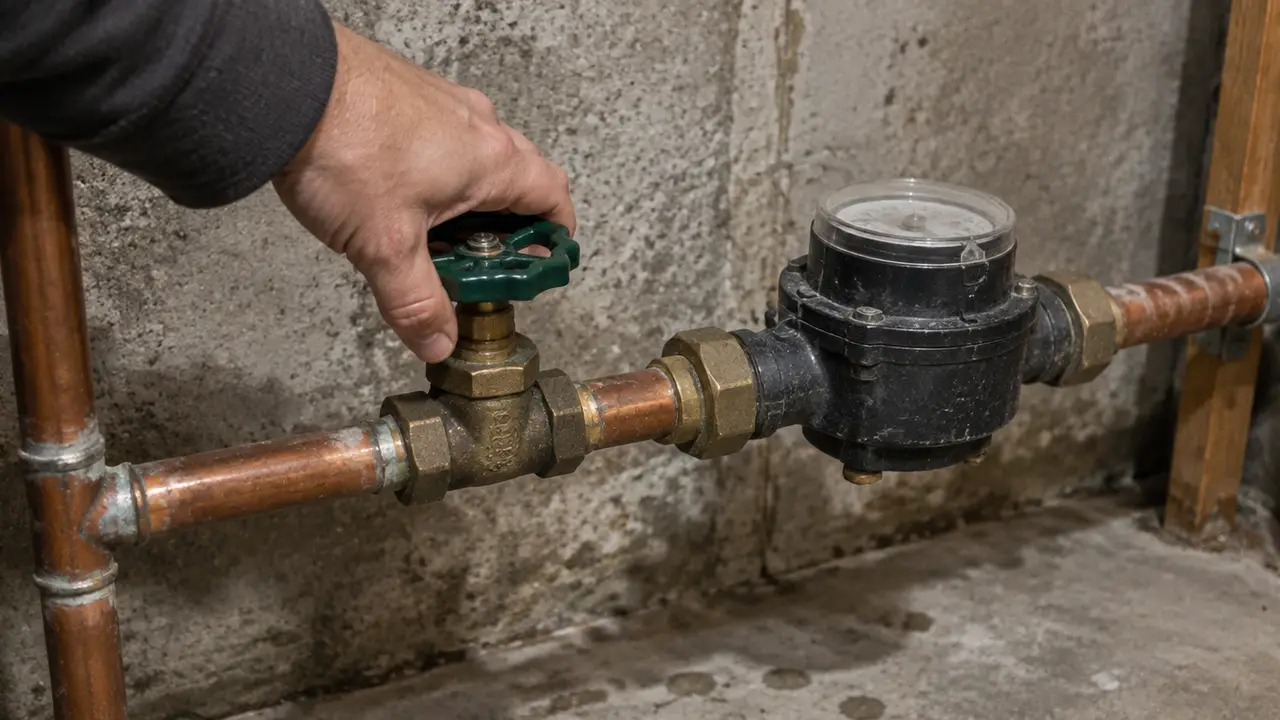
01 /What failed: heating, storage or delivery?
Start with the behaviour of the system. No hot water at any fixture, a gradual shortage during showers and a single lukewarm bathroom are different complaints. A component may stop heating without damaging the tank body. Conversely, a leaking vessel can make an otherwise functioning heater unsuitable for continued use. Photograph the label and visible leak location from a safe dry position. Note any displayed fault code exactly as written, but do not reset it repeatedly or remove covers. Repeated attempts can conceal the condition the technician needs to diagnose.
Compare several fixtures and ask whether the cold supply has also changed. A local mixing cartridge or a restriction can mimic a heater problem. If everyone reports the same sudden loss, record when it began and whether there was a power interruption or other service event. These observations help direct the appointment without claiming to identify a specific failed part. A gas smell, carbon monoxide alarm or water near energized equipment changes the priority to immediate safety and appropriate emergency assistance.
02 /What should a repair diagnosis establish?
A useful diagnosis explains the failed component and what evidence supports that conclusion. For an electric heater, elements, thermostats and supply conditions need assessment by a qualified person; a cold tank is not proof that both elements have failed. Gas equipment involves combustion controls, fuel supply and vent safety that belong with a certified gasfitter. Ask whether the fault could be caused by another condition that would damage a replacement part. A blocked vent or unsafe supply should not be treated as a routine reset problem.
The repair scope should name the part, labour, any diagnostic charge, permit implications and the post-repair checks. Establish whether parts are available and compatible with the model, and whether the manufacturer has specific service procedures. Ask what remains uncertain until equipment is examined. A statement that the heater is old may be relevant to the decision but does not explain the failure. Equally, a single new component does not establish the condition of the vessel or predict a future service life.
03 /When does replacement make more sense?
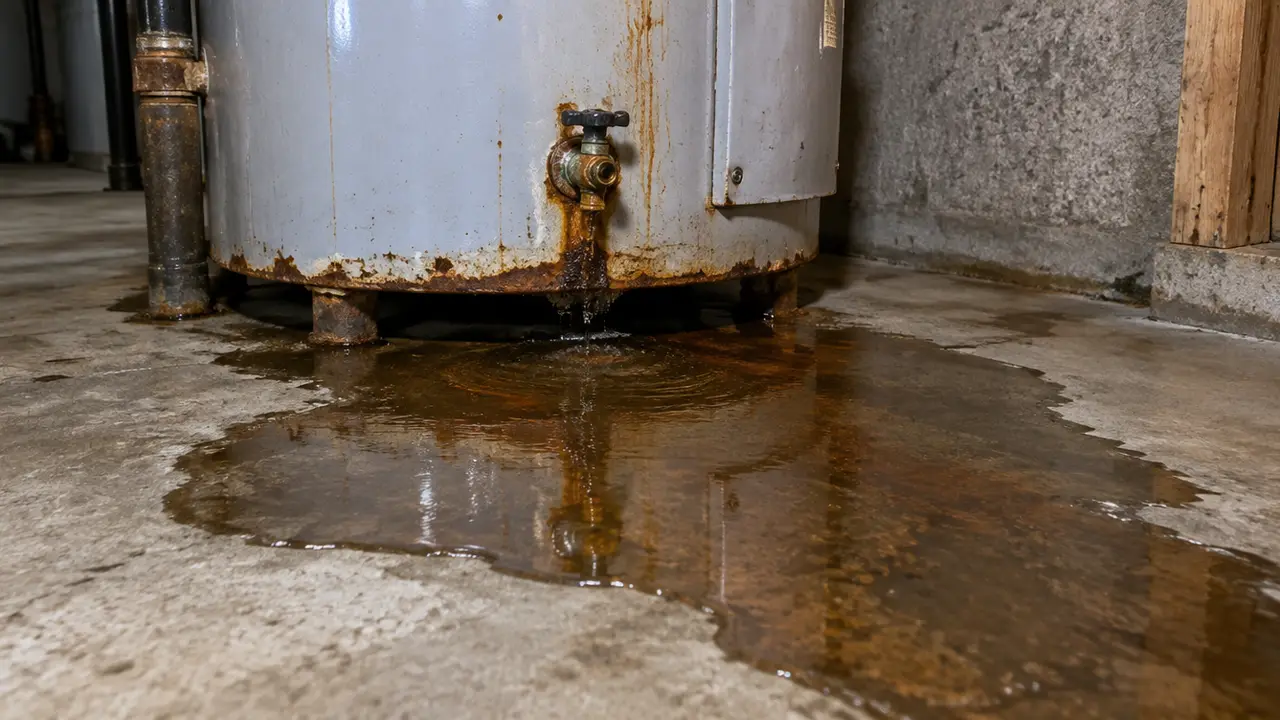
Replacement is more compelling when the storage vessel leaks, compatible repairs are impractical or the unit no longer meets the household’s requirements. Compare the full repair with the full installed replacement, including connection corrections and disposal. Do not use a universal age cutoff as the only criterion. Equipment history, corrosion, recurring faults and manufacturer support inform the choice. Ask whether a proposed repair leaves another known problem unresolved, and whether a replacement would actually address the complaint. A new tank does not fix a remote branch delay or a faulty shower cartridge.
If the family’s routine has changed, establish the new demand before choosing capacity. A larger cylinder can help a genuine storage shortage but may require more room or different services. Use the size calculator to document overlapping use. Compare technologies in the tank explorer after the immediate fault is understood. A breakdown creates pressure to decide quickly, but a short written explanation of the failure and options can prevent paying for an upgrade that solves the wrong problem.
04 /What must be checked before a replacement arrives?
Measure the appliance location and the route through doors, stairs and turns. Modern equipment may differ in dimensions even when nominal capacity is unchanged. The installer should inspect water connections, isolation valves, thermal-expansion provisions, relief discharge and the vent or electrical supply. Ask whether required corrections are included or treated as a later extra. A narrow equipment room can make future element, anode or burner servicing difficult if the cylinder is installed without planning. Keeping the same footprint is not always the best way to preserve access.
Identify the actual water account and any treatment equipment. Beiseker’s Village water and sewer information should not be generalized to nearby acreage supplies, and the town-like appearance of a property does not confirm its connection. For the individual home, check whether mineral deposits, pressure controls or treatment restrictions could affect the diagnosis. If a flush or chemical service is proposed, ask how water and waste will be handled. Do not assume a visible floor drain proves a suitable disposal route for every procedure.
05 /Which Beiseker permit route applies?
The Village of Beiseker is its own municipality. Its planning and development page directs building, gas, plumbing and electrical permit applications through the Village; its permits page describes inspections and provides the office contact for requirements. Verify the civic address and legal parcel before using that process, because surrounding properties may fall under another authority. Ask the office about the specific repair or replacement, including any changed heater type, vent route or circuit. Do not transfer Calgary’s replacement exceptions or Rocky View’s inspection arrangements to a Village parcel.
Have the contractor identify who applies, who requests inspections and how completion will be documented. Confirm a qualified plumber for regulated plumbing, a certified gasfitter for gas and combustion work, and an electrician for relevant electrical scope. A company offering water-heater work should explain the credentials of the person performing each activity. Never disconnect gas as a homeowner preparation step. Old appliance removal, valve changes and new wiring should be described accurately to the permit issuer rather than omitted from a generic replacement request.
06 /How can you compare quotes while the household has no hot water?
Request a concise written diagnosis, a repair option where feasible and a replacement scope with the exact model. Separate diagnosis, equipment, installation changes, permits and disposal so two proposals can be compared. Ask when parts or equipment can actually be supplied instead of assuming local stock or same-day attendance. Availability is specific to the contractor and appointment. The replacement cost guide helps identify cost drivers, while the energy cost tool compares operating assumptions rather than supplying a Beiseker quote.
After work, retain the model and serial number, part information if repaired, commissioning results and permit or inspection status. Ask how to recognize a recurring fault and which symptoms require stopping use. HAUSE Home is an independent information and request network. A request communicates the breakdown and address without promising a technician, response time or repair price. Visit the area hub for nearby content, keeping the Village’s requirements distinct from those of surrounding County properties.
07 /What if the first repair does not resolve the complaint?
Return to the documented symptom and ask whether the repaired part addressed the confirmed failure or only one suspected cause. Report the same fixture comparisons and timing used before the appointment. A recurring fault may need further diagnosis, but it does not automatically justify repeating the reset or replacing another part by guesswork. Ask the service provider to explain the next evidence needed and any effect on the repair agreement. If vessel leakage or a safety concern appears, the decision changes and needs prompt assessment.
Keep invoices, part details and technician findings together. They help a second qualified opinion avoid repeating completed tests or misunderstanding what changed. The homeowner’s useful role is accurate observation and record keeping, while gas and electrical investigation remain qualified work. A replacement decision made with these findings is more reviewable than one based only on frustration after a breakdown.
FAQQuestions people ask
Does no hot water mean the tank is finished?
No. Heating controls, components, supply or delivery equipment can fail independently of the vessel. Ask for diagnosis before selecting replacement.
Can I open the electrical covers to inspect an element?
Leave electrical testing and service to a qualified person. Do not remove covers or touch wiring, especially where there is water or an uncertain isolation state.
Is Beiseker part of Rocky View’s permit process?
The Village publishes its own application route. Check the property boundary and use the authority responsible for that parcel.
Can a repair extend life by a fixed number of years?
A repaired component does not establish the remaining vessel life. Ask about the current condition and known limitations rather than relying on a promised lifespan.