In Cochrane, decide whether the proposed heater can use the current vent and service space before choosing a model. Map any new exhaust route, water piping and electrical needs. The Town provides separate permit applications and says a certified gasfitter must obtain a gas permit. Confirm the project requirements directly.
- A usable sidewall vent route must be established before ordering equipment.
- Cochrane directs gas permit applications to a certified gasfitter.
- Finished-basement access can determine what replacement equipment is practical.
01 /What if a deck blocks the apparent vent route?
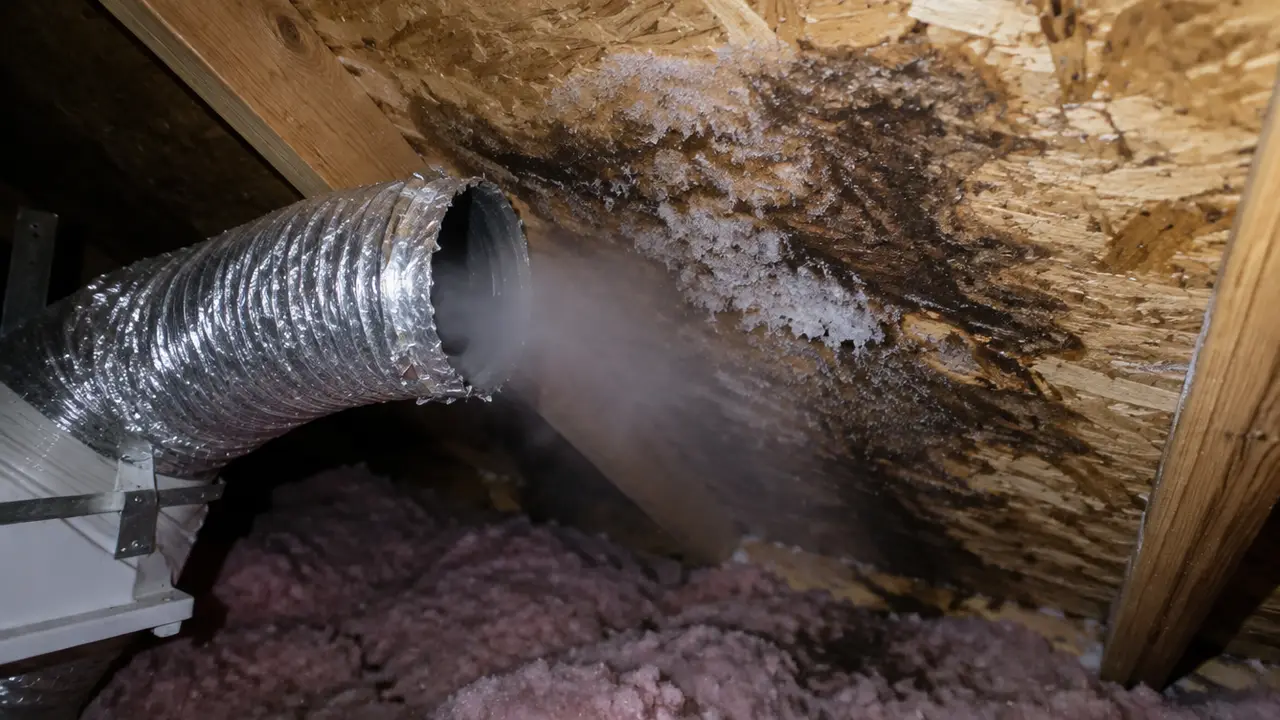
A deck or enclosed outdoor area can make an apparently convenient wall unsuitable for the proposed termination. Give the gasfitter photographs of the exterior as well as the mechanical room, showing doors, windows and the space beneath or beside the deck. Ask for a route assessment using the selected appliance instructions and applicable requirements rather than estimating clearances yourself. If a different wall is needed, identify the interior rooms the vent crosses and the finish work that follows. Ask whether the contractor has assessed access to the exterior drilling location. A proposal should distinguish an approved final route from an initial idea. This is particularly useful when basement renovation plans would otherwise conceal the only practical path before the gasfitter has reviewed it.
02 /How should a basement enclosure be revised?
Revise an obstructive enclosure around the needs of the proposed equipment and future servicing. If a Cochrane basement finish surrounds the tank with a narrow door, ask the installer which access dimensions are needed for removal, replacement and routine work. Distinguish the appliance’s service-clearance instructions from the wider carrying route through the home. Have a qualified person review any framing or building changes rather than cutting around equipment while it operates. Name who removes finishes and who reinstates them after the required inspections. Consider removable access panels where an assessed design allows them. Keeping that work explicit lets you compare retaining the current location with relocation, including the piping, venting and electrical consequences of each option.
03 /What happens if the proposed model is substituted?
Treat a substitute model as a change requiring technical review, not merely a change of brand. Ask for its dimensions, fuel input, vent category, electrical requirements and useful hot-water delivery. A substitute can require different piping or clearances and may not fit the route used to prepare the original proposal. Have the contractor confirm that the approved scope and any permit documentation still describe the intended work. Ask for your written approval before the equipment is installed and clarify any price or warranty differences. If the substitute is offered because the original model is unavailable, request the complete revised scope rather than accepting verbal reassurance that the tanks are equivalent. This preserves a clear basis for comparison and later service.
04 /Who closes the permit and inspection loop?
The person who installs the tank should not leave inspection coordination as an unassigned household task. Ask which contractor is the applicant for each required trade permit and who monitors the Cochrane portal for inspection arrangements and outcomes. Identify whether a rough-in inspection must occur before a vent or connection is concealed. Request the results after the relevant inspection and a written plan for any correction. Keep the permit information with the equipment invoice so a later homeowner or technician can identify what was assessed. If several contractors share the job, name one coordinator for scheduling while preserving each trade’s responsibility for its work. A completed installation visit does not resolve an outstanding municipal inspection or corrective item.
05 /What should you do about a winter fault after replacement?
Document the fault without altering the new installation. Record the displayed code, weather conditions, which fixtures were affected and whether power was interrupted. If safely visible from outside, photograph the termination condition without dismantling it or reaching an unsafe area. Ask the installer to assess venting and equipment operation; repeated resets can obscure the original symptom and should not replace diagnosis. Keep delivery capacity complaints separate from shutdown faults, because the remedies may differ. Ask during handover how the model reports faults and which service contact handles installation concerns. If gas is suspected or a carbon monoxide alarm activates, leave and call from outside immediately. Ordinary performance records are useful only after the situation has been made safe.
06 /Where would a new sidewall vent actually go?
A sidewall vent conversion needs a route that works from the appliance to outdoors. In a Cochrane house, sketch the tank location, exterior walls, windows, doors, decks and the position of neighbouring buildings. These are survey details, not permission to choose a termination yourself. The gasfitter should check the model’s approved vent system, route limits and termination requirements. A short-looking path may cross finished rooms or inaccessible joists. Ask whether the proposal includes drilling, patching and weather sealing, with any unresolved route clearly identified.
07 /How does the Town handle permit applications?
Cochrane’s building-permits page separates homeowner and contractor applications. It says homeowners can obtain building, electrical and plumbing permits, while a certified gasfitter is required to obtain a gas permit. The page directs applicants to send completed forms and supporting documents to Safety Codes, then use the permitting portal for status, payment and inspection booking. Confirm which applications your replacement needs before starting. A town-limit address belongs in the Cochrane enquiry; Rocky View County procedures should not be substituted merely because the property is nearby.
08 /Will the equipment get into the mechanical room?
The tank must fit through the removal and delivery route while retaining service access. Measure basement stairs, turns, doorway openings and the clear height beside ductwork. Note if a later basement renovation enclosed the original tank. A newer unit can differ in diameter, height or required access even with similar storage capacity. Photograph the nearby furnace and treatment equipment without dismantling anything. Ask whether removal requires taking off a door or opening a wall, and whether that restoration is included in the written scope.
09 /Which trades does a vent conversion involve?
Changing vent technology can bring several trades into one replacement. The plumber handles the water-side scope; the qualified gasfitter assesses fuel connections and combustion venting. A power-vent appliance needs suitable electrical supply, with modifications assigned to an electrician. A condensing heater also needs an approved condensate arrangement. Ask who coordinates these tasks and how credentials can be checked through Alberta Tradesecrets. Do not assume a plumbing company’s name proves that every person performing gas or electrical work holds the relevant qualification.
10 /Should a cold-weather shortage lead to upsizing?
A winter shortage should be compared with actual peak demand and equipment condition. Colder incoming water means more heating is needed to reach the same delivery temperature, but it does not explain every loss of hot water. Note whether the problem follows back-to-back showers, occurs at one fixture or affects the whole house. Use the size calculator to frame demand, then ask about the proposed model’s recovery and first-hour delivery. Keep diagnostic work distinct from a recommendation to buy larger equipment.
11 /What should a Cochrane proposal leave you with?
The proposal should identify the model, vent route, electrical work, water connections and any finish repairs. Include permits, inspection coordination, removal and commissioning in the comparison using the replacement cost guide. At handover, keep operating instructions and documentation showing what was inspected. Ask how to recognize a blocked vent or equipment fault without dismantling the system. HotWaterTank.ca is part of the independent HAUSE Home information and service-request network; it does not operate a Cochrane installation crew. Use a quote request to convey the project details.
FAQQuestions people ask
Can I obtain my own Cochrane gas permit?
The Town’s published application guidance says a certified gasfitter is required to obtain a gas permit. Confirm the scope with Safety Codes and have the gas contractor identify permit responsibility.
Is the nearest exterior wall always the best vent location?
No. Openings, nearby structures, approved route length and the appliance instructions affect suitability. Obtain an assessed route before committing to equipment or cutting the wall.
Do all power-vent tanks need a new circuit?
The electrical requirements depend on the selected model and existing supply. Have an electrician assess any required modifications rather than using a temporary extension cord as the installation plan.
What if a carbon monoxide alarm activates?
Leave the building and call emergency services from outside. Do not reset the alarm and continue using the heater; the affected appliances need qualified assessment before reuse.