An Elbow Valley tank replacement should address where a leak would travel before choosing new equipment. Have the plumber inspect the drain, relief discharge, isolation valves and any automatic shut-off, then confirm removal access through finished rooms. Verify the parcel’s municipality and actual water and wastewater services; nearby homes can have different arrangements.
- A drain pan helps only when its outlet has a suitable destination.
- A leak shut-off must be compatible with the heater and plumbing design.
- Rocky View describes both private wells and water supply companies in Elbow Valley.
- Commission the protection devices as well as the replacement appliance.
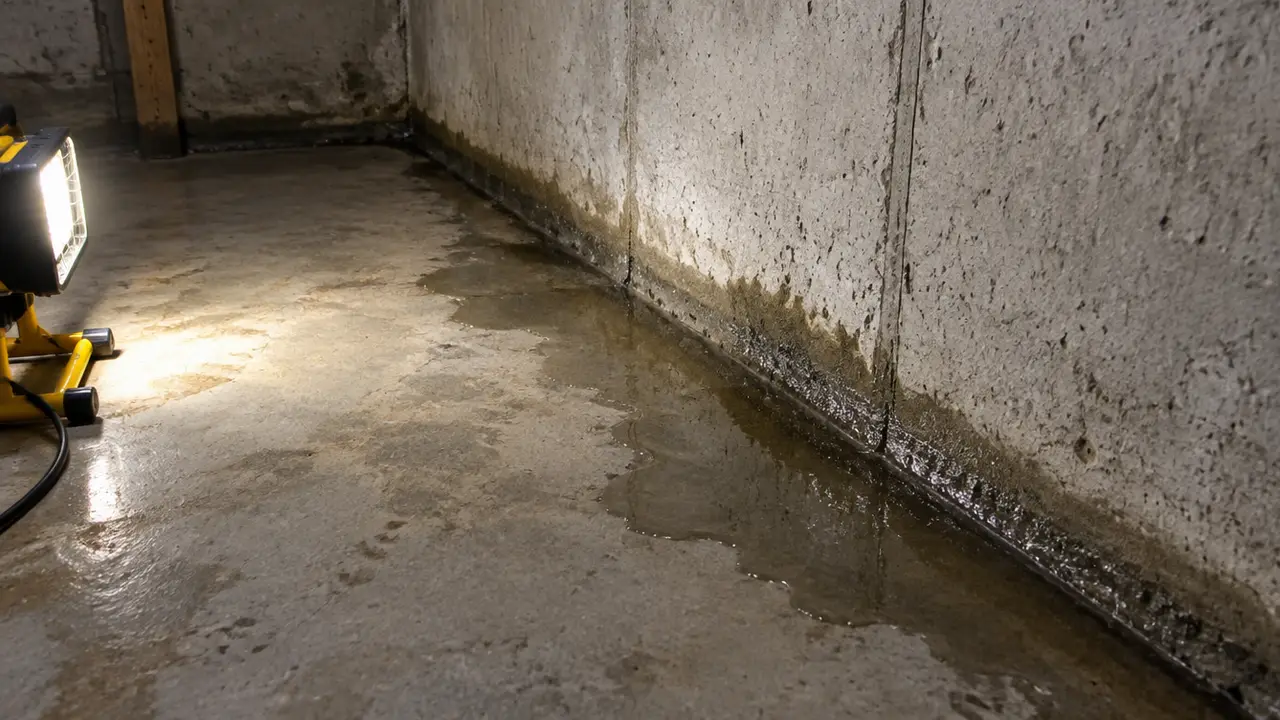
01 /Where would water go if this tank leaked?
Follow the floor’s likely drainage path before the old tank is removed. Finished flooring, stored belongings and a threshold can divert water away from a drain. A pan with no functional outlet can fill and overflow; it is not equivalent to drainage. Ask the plumber to identify the appropriate discharge destination and whether the floor drain is usable. Relief-valve discharge has its own safety requirements and must remain unobstructed. Do not cap a dripping relief pipe or connect it to a sealed improvised hose. Treat recurring discharge as a symptom requiring diagnosis.
02 /Would an automatic shut-off improve protection?
A compatible shut-off can limit incoming water after a sensor detects a leak, but the design must account for the appliance and water system. Ask what supply is isolated, how the heater responds and whether closing the valve affects thermal-expansion protection. Stored water can still escape after the incoming supply closes. Sensors need accessible placement, a test procedure and maintained power; remote alerts also need communications. A device should not obstruct relief discharge or substitute for fixing a leak. Review the leak-protection guide and have the installer explain the complete sequence.
03 /Can the replacement move through the finished basement?
Measure the exit route before choosing the new tank’s diameter and height. Stair turns, handrails, ceiling bulkheads and equipment-room doors can restrict a cylinder that otherwise fits beside the furnace. Discuss floor protection and whether any trim or door needs temporary removal. Keep future access to the anode, relief valve, burner or elements. An attractive enclosure must still provide the manufacturer’s required clearances and, for combustion equipment, the necessary air provisions. Photographs should show the whole room, not just the old tank label, so the contractor can identify access questions before attendance.
04 /Which water and wastewater services should be identified?
Confirm both services separately. Rocky View’s Elbow Valley page describes private wells and private supply companies for water, and a mixture of private systems and County collection connected to Calgary for wastewater. It does not establish the arrangement at an individual house. Check the provider account, parcel records and municipal boundary rather than using a Calgary mailing address as proof. This matters when planning draining, treatment maintenance and any condensate disposal. For a County property, ask how Rocky View’s plumbing, gas and electrical inspections apply to the proposed changes and who will arrange them.
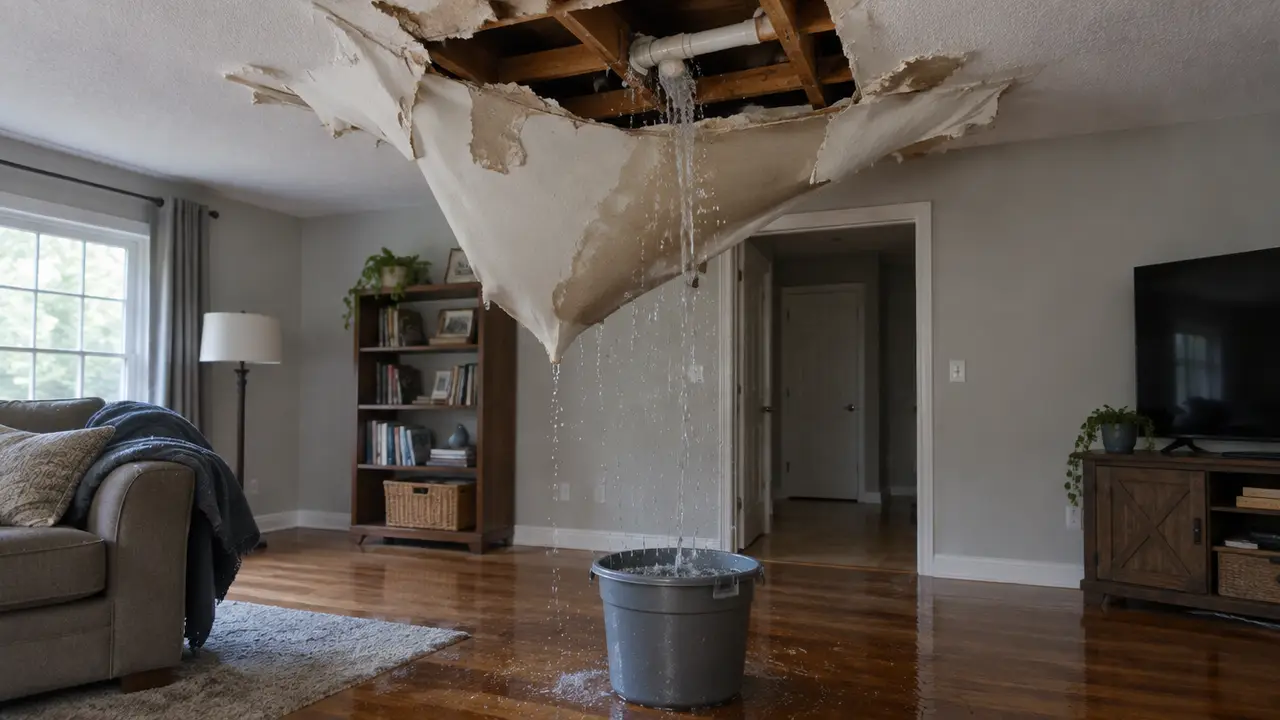
05 /What belongs in the completion record?
Request the model and serial number, permit references, inspection status, temperature-control settings and the protection-system test procedure. Have a qualified plumber confirm piping and relief arrangements, a certified gasfitter perform gas and combustion work, and an electrician handle applicable wiring changes. Never attempt gas disconnection as preparation. Compare equipment through the tank explorer and include drainage work in the written scope. HAUSE Home is an independent information and request network. Submitting a request does not establish a contractor’s availability, insurance outcome or prevention of every future leak.
06 /How would a leak response work in a finished basement?
Consider a heater room reached through carpeted living space, with a drain on the far side of a raised threshold. The drain’s presence does not establish that water from the tank will reach it. Ask the plumber to review floor slopes, pan routing and what happens at the doorway. A sensor should be placed where an early leak is likely to arrive, not merely where it is least visible. Discuss whether the proposed work requires openings in finished surfaces and how those are restored. This turns the vague promise of protection into an arrangement that can be inspected and understood.
A shut-off proposal should describe the event sequence: detection, valve operation, appliance response and notification. Ask what happens if the sensor cable is disconnected or the system loses power, and how the owner recognizes a fault. Closing incoming water does not instantly empty or make the vessel safe, and hot stored water can still escape. The installer must consider the effect on thermal expansion and appliance controls. Do not test by creating a real tank leak. Use the device’s approved test procedure and ask the contractor to demonstrate the relevant functions under safe controlled conditions.
If an alarm occurs while nobody is home, decide who can attend and what information that person needs. A notification without a response arrangement may merely document damage sooner. Store valve locations and installer instructions somewhere accessible without entering the wet room. If water reaches electrical equipment, the response must begin with safe isolation by the appropriate qualified person. A homeowner should never cross standing water to demonstrate that an automatic valve has worked. Discuss this practical response before choosing a device so its operating limits are clear to everyone using the house.
07 /What should remain accessible behind an enclosure?
A tidy enclosure still needs working clearance and access to the appliance’s service points. Ask how a technician will inspect the relief pipe, replace an anode or element and reach the shut-off sensor. Where the heater burns gas, combustion air and approved clearances cannot be decided by cabinetry preferences. If an enclosure is part of a renovation, have its design assessed alongside the heater. A removable door does not automatically provide every required service space. The contractor should explain any opening or louvre requirements using the actual model and applicable installation rules rather than a generic room photograph.
The removal path deserves the same attention. A cylinder can be larger than the finished doorway even though it was brought in before the basement was completed. Ask who removes and reinstalls trim or doors, how floors are protected and whether any other equipment must be moved. Do not agree to a new model until the full path is checked. These are foreseeable scope questions, not reasons to improvise appliance disassembly or gas disconnection on installation day. Include access work in both quotes so a cheaper proposal does not simply omit necessary preparation.
08 /How can protection work be compared without promising an insurance outcome?
Ask each contractor to itemize the same drainage, sensing and isolation functions. A basic alarm, a pan with drainage and an automatic valve provide different kinds of protection. The quote should identify power dependence, notification, testing, maintenance and any plumbing alterations. Ask the insurer directly if you need to know how a particular device affects your policy; an installer’s equipment description does not establish coverage. Keep documentation of what was installed and how it was tested. Avoid equating the purchase of a safety accessory with prevention of every conceivable leak or overflow in the basement.
After handover, use the approved testing schedule and keep the service space clear. Record the sensor battery or power requirements and the valve’s maintenance needs. If protection includes remote communication, update contact details when household arrangements change. The plumber should leave the relief path identifiable and explain what recurring discharge means. A future alarm could indicate a connection leak or pressure problem rather than failure of the vessel. Good records preserve that distinction and help the next technician respond efficiently, while the address and supplier details keep any later utility enquiry directed to the right provider.
If the current tank is sound and the main concern is an unattended leak, ask whether protection improvements can be made independently of replacement. Conversely, a corroded leaking cylinder should not be retained simply because a new sensor is available. Separate the evidence about appliance condition from the desired damage-limitation features. This allows the Elbow Valley homeowner to compare a necessary replacement, an optional protection package and existing-room corrections without merging their purposes. The final scope should explain each decision and its limitations in terms a future owner can understand.
FAQQuestions people ask
Will a pan hold the full tank contents?
Do not assume that. Its useful protection depends on drainage and installation. Ask where water goes when the pan receives flow.
Is every Elbow Valley house on Calgary water?
No. The County describes multiple water arrangements. A wastewater connection to Calgary does not establish the drinking-water supplier.
Can the shut-off sensor sit inside a cupboard?
Only if the installer confirms effective placement and accessible testing. A hidden location that water does not reach promptly can delay detection.
Can I inspect a leak beside the electrical panel?
Stay out of water near electrical equipment. Arrange safe isolation and assessment rather than entering the wet room to inspect or operate equipment.