A High River replacement should consider equipment condition, any history of water exposure and where a future leak would travel. Keep wet electrical or gas equipment out of use until appropriately assessed. Define plumbing, gas and electrical responsibilities, then confirm applicable permits and inspection booking through the Town’s current Safety Codes process.
- Past water exposure is a condition question, not proof that an appliance is safe.
- Leak detection and automatic shut-off serve different purposes.
- High River uses its online Safety Codes portal for applications and inspection requests.
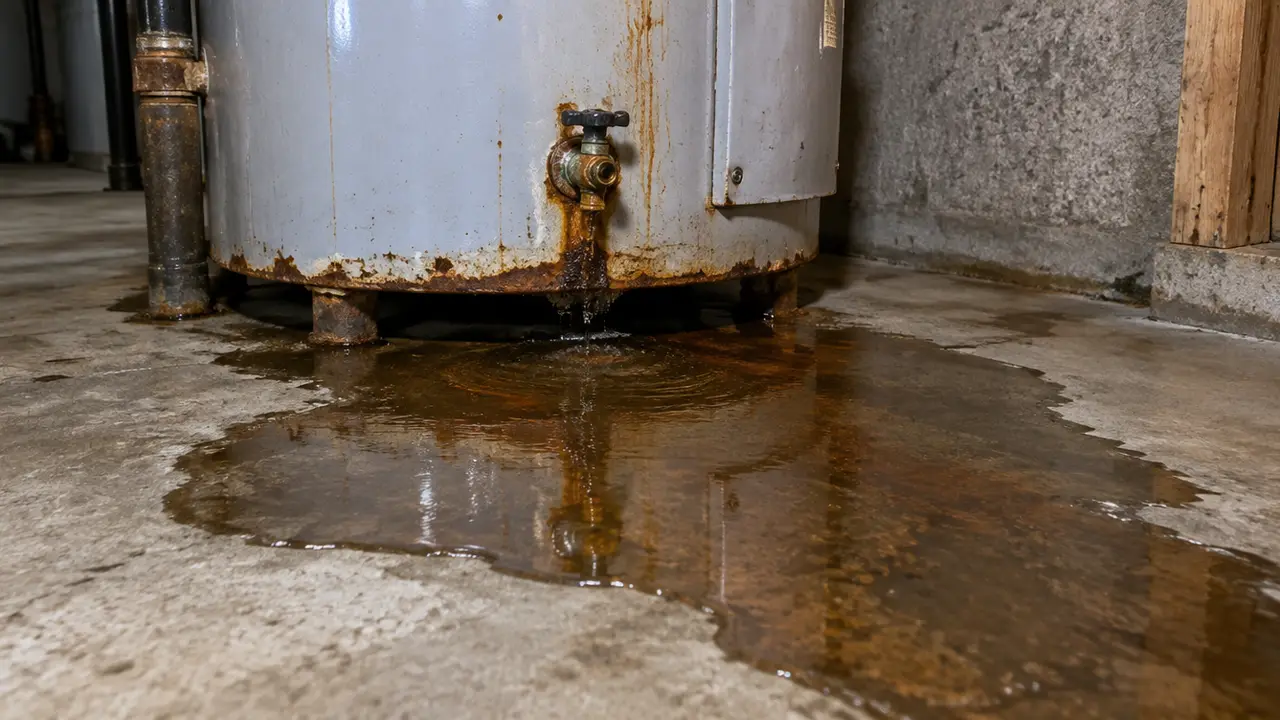
01 /How should you describe a small unexplained pool of water?
Describe where the water appears instead of assuming the tank shell has failed. A pool can be associated with a piping connection, relief discharge, condensate arrangement or the tank itself, and the remedies differ. From a safe dry position, photograph the wet area and visible pipe route, and note whether water returns after normal heating or continuous use. Do not reach into wet electrical areas or plug a discharge pipe to test your theory. Tell the plumber whether nearby appliances or drainage could contribute. Ask the assessor to identify the source before proposing replacement. If the shell is leaking, a connection repair cannot restore it; if another component is responsible, buying a new tank without addressing that component may leave the original problem unresolved.
02 /What should a water-exposure assessment record?
A useful record identifies the affected appliance and what exposure is known. For a High River property with previous water damage, gather the installation date, model, prior service documents and any photographs showing the water level. Distinguish the present tank from equipment replaced during an earlier restoration. Give that information to the qualified assessor and ask what manufacturer guidance informs the recommendation. Request written findings if controls, wiring or fuel components are considered unsuitable to retain. Do not use a general history of the neighbourhood to infer the condition of this home. If records are incomplete, state the uncertainty. This helps a replacement provider evaluate the actual equipment and allows an insurer or restoration coordinator, if involved, to distinguish documented damage from a precautionary improvement.
03 /How do you compare an alarm-only system with an automatic valve?
Compare what each device does when nobody is home. An alarm-only sensor detects water and needs someone to hear or receive the warning and respond. An automatic system can also close a compatible supply valve, but its effectiveness depends on installation, power, sensing location and the failure being detected. Ask whether alerts need internet service, what happens during an outage and how the valve is tested without disrupting equipment. Identify who can reopen it safely and whether the heater needs attention after a shutdown. Include installation, maintenance access and any electrical work in the comparison. A device demonstration at handover should show its intended function without deliberately creating a leak. Keep drainage and the escape of stored tank water part of the planning discussion.
04 /What extra work does an elevated installation create?
An elevated location changes more than the carrying route. Ask the installer how the full equipment weight is supported, how servicing remains possible and how water escaping from that location is managed. The gasfitter should review the changed vent and fuel arrangement, while the plumber reviews piping supports and the relief discharge. An electrician should assess affected supply, with any required building review assigned as well. Request a drawing or clear description showing the proposed height and connections before approving it. Compare that complete design against retaining the present position with improved detection or drainage. Do not let a general concern about water exposure become an improvised installation on loose blocks or furniture. The appropriate solution depends on the home and selected appliance.
05 /How should restoration and replacement scopes be reconciled?
When a restoration company and heater contractor both work in the room, ask each to identify the boundary of its responsibilities. Restoration may address damaged finishes while the trades assess equipment and connections. Confirm who removes the heater, who makes the area ready for installation and who leaves access for inspections before finishing resumes. If an insurer is involved, keep claim communications and authorized scopes with the contractor proposals rather than assuming every improvement is covered. Ask how additional findings are documented and submitted before work expands. At completion, distinguish repaired finishes, newly installed equipment and outstanding permit corrections. This creates a usable project record and prevents a rebuilt enclosure from hiding connections that still need assessment or inspection.
06 /Has water reached the heater or its controls?
Any known water exposure belongs in the first conversation with the installer. Do not assume that every High River property has experienced flooding; ask about this specific home’s records and the equipment currently installed. If water reached gas controls or electrical components, arrange qualified assessment before reuse. A dried exterior is not a safety test. Photograph visible staining from a safe position and note what was replaced previously. Keep people out of standing water near energized equipment and have the utility or an electrician address power isolation.
07 /Should the replacement be raised or moved?
Raising or relocating a heater needs a coordinated design rather than a makeshift platform. Ask whether a proposed position changes vent geometry, pipe supports, service access or the electrical route. Equipment weight and manufacturer instructions matter, including when the tank is full. Keep the relief discharge and any drain arrangement part of the review. Moving equipment cannot by itself establish flood protection for the house. Ask the Town and installer which building and trade approvals apply to the proposed change before purchasing materials or removing the existing appliance.
08 /Where would an ordinary tank leak go?
Follow the likely water path through the actual room. A slow leak beside unfinished concrete has different consequences from one beside carpet, stored documents or a finished bedroom. Discuss a suitable drain pan and discharge route with the plumber; a pan without an effective outlet has limited containment. A sensor can warn someone, while an automatic valve may stop incoming supply. Neither removes water already stored in the tank. Ask how the selected system behaves during a power outage and who will maintain and test it.
09 /How do High River permits and inspections work?
Use the Town’s current Safety Codes page rather than older application instructions. It directs building and subtrade applications, including plumbing, gas and electrical, through the online permitting system. It also directs inspection requests through the portal’s Inspections tab. Ask which disciplines your replacement needs and who holds each application. Keep the issued permit, relevant portal documents and inspection outcomes. A submitted application is not an issued permit, and installation completion is not confirmation that required inspection follow-up has occurred.
10 /Who assesses each connection and operating risk?
A replacement can involve a plumber, qualified gasfitter and electrician, depending on the connections being changed. The gasfitter should assess the fuel and vent arrangement; the plumber should review water connections, shut-offs and relief discharge; the electrician should address new or altered supply. Ask for applicable trade credentials and use Alberta Tradesecrets to begin verification. Discuss how the equipment will be commissioned and what records you receive. If a carbon monoxide alarm activates or gas is suspected, leave and call from outside rather than attempting appliance adjustments.
11 /What should you compare before authorizing the job?
Compare equipment selection with the full protective and installation scope. Use the size calculator for demand questions and the replacement cost guide for exclusions. Require disposal, access changes, leak-protection equipment, permits and inspection coordination to be clearly described. At handover, request a demonstration of any sensor and shut-off system plus maintenance instructions. HotWaterTank.ca is an independent HAUSE Home information and service-request site, not a High River contractor or restoration company. Include any water-exposure history when requesting quotes.
FAQQuestions people ask
Can a heater that dried after water exposure be used again?
Drying does not establish that controls or electrical parts are safe. Give a qualified assessor the exposure details and follow the appliance manufacturer’s guidance before returning it to service.
Will an automatic shut-off prevent every leak loss?
No. It may limit continued supply, but stored tank water can still escape. Discuss detection, valve operation, drainage and maintenance together rather than treating one device as complete protection.
Can the installer request inspections by an old email process?
Confirm the current Town instructions. High River’s Safety Codes page now directs inspection requests through its online portal; the proposal should identify who handles that step.
Is moving the tank upstairs always better?
No. Structural support, drainage, venting, noise and service access can make relocation unsuitable. Obtain an assessed installation design and approval requirements before choosing a new location.